Who We Are
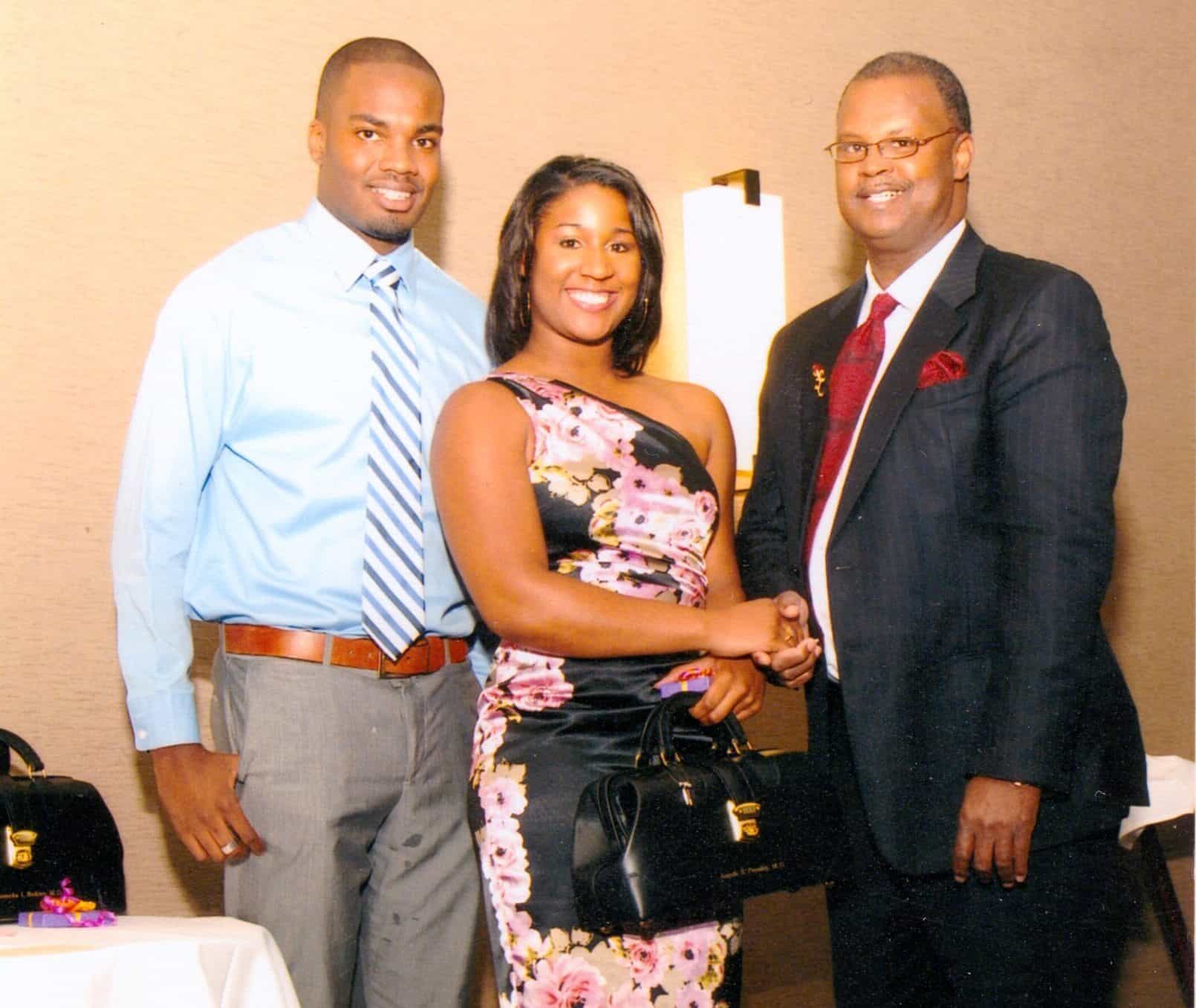
The Black Bag Medicine Foundation (BBMF) was founded in April 1999 in Kenner, Louisiana, by Dr. Robert E. Dawson, MD, MPH, with a mission to “Plant seeds, nurture dreams, and grow doctors.” Our foundation stands as a United Philanthropic Fund at the Greater New Orleans Foundation, modeled after the United Negro College Fund, to provide financial support to Historically Black Medical Schools. We recognize that African American and minority populations face significant health disparities and barriers to medical education. BBMF seeks to bridge this gap by cultivating a pipeline of diverse healthcare professionals committed to serving their communities. Through strategic partnerships, advocacy, and educational initiatives, we strive to create lasting change in the healthcare landscape by empowering future medical professionals and ensuring equitable access to quality care.
Who We Serve
We primarily serve underrepresented and disadvantaged communities across the southern United States, including Louisiana, Mississippi, Alabama, Georgia, and Texas. These regions face significant healthcare challenges, with limited access to affordable, quality care. BBMF provides direct support to:
-
Students aspiring to enter the medical field, from elementary school through professional training.
-
Historically Black Colleges and Universities (HBCUs) and medical schools dedicated to increasing diversity in healthcare.
-
Minority communities are disproportionately affected by health disparities such as heart disease, diabetes, and maternal health risks.
-
Faith-based organizations, civic groups, and professional societies collaborating to promote health education and community outreach. Through our strategic partnerships and outreach programs, we are creating a future where healthcare is equitable and accessible for all.
What We Do
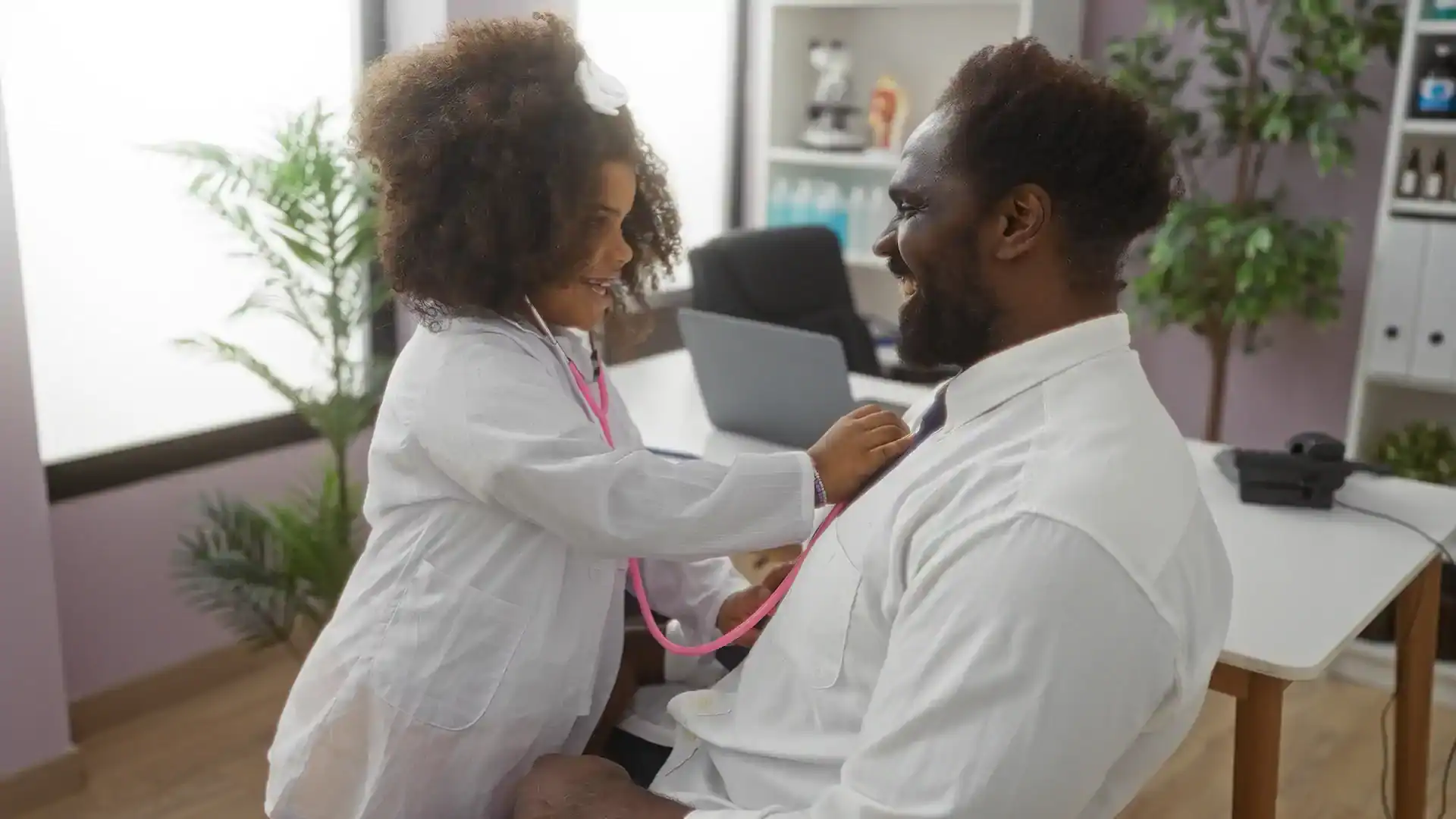
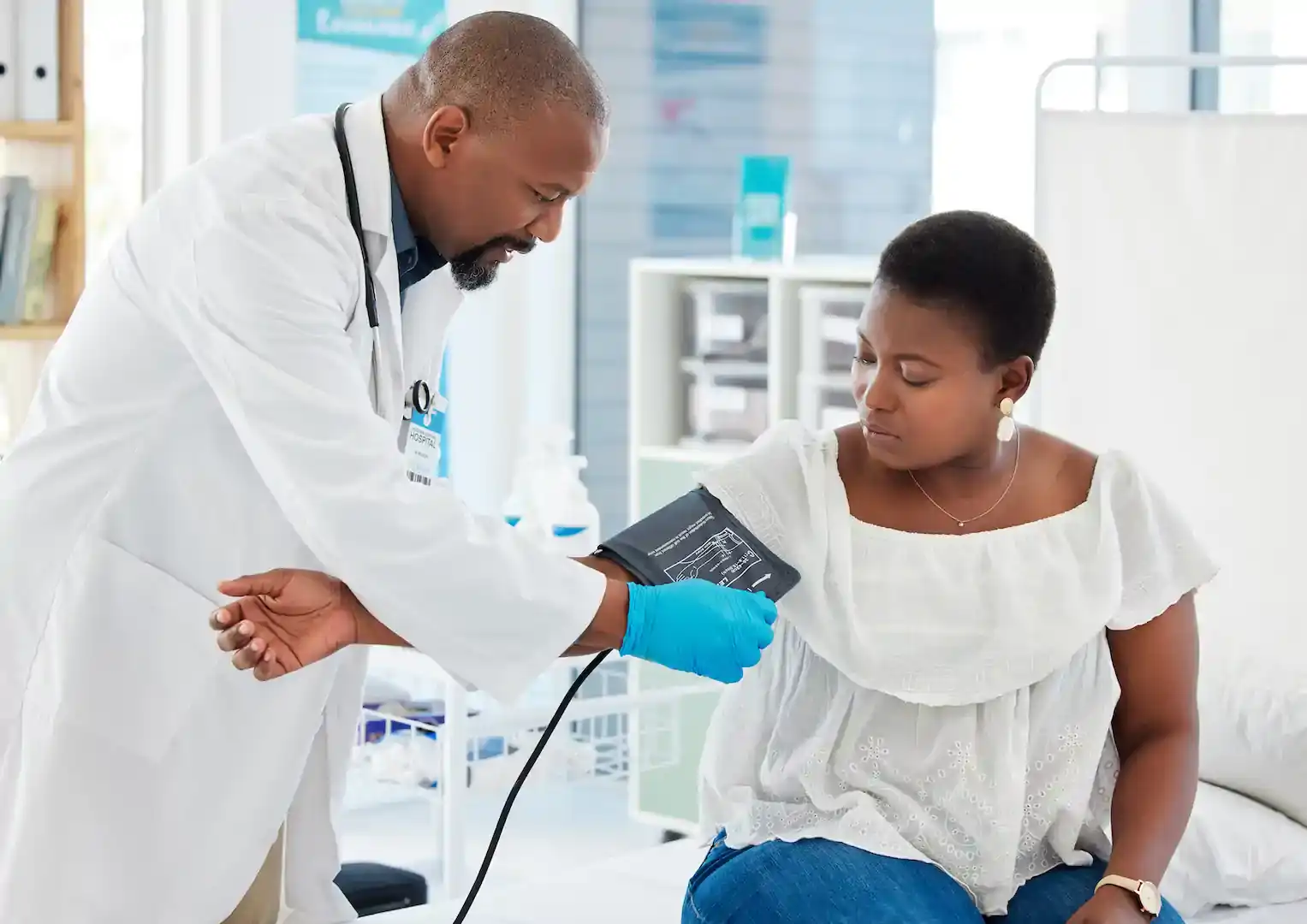
BBMF’s initiatives focus on fostering a strong, diverse medical workforce that can tackle the racial and ethnic disparities in healthcare. Our foundation:
- Supports historically Black medical schools, including Howard, Meharry, Morehouse, Charles R. Drew, and Xavier University School of Medicine.
- Provides mentorship, scholarships, and academic resources for students from K-12 through medical school.
- Organizes public health education programs, summer science camps, and standardized test preparation.
- Advocates for policy changes and health equity initiatives to improve access to quality care in minority communities. By equipping students with the tools to succeed, we ensure that healthcare reaches those who need it most.
Why We Do It
Health is a state of complete physical, mental, and social well-being and not merely the absence of disease or infirmity. The enjoyment of the highest attainable standard of health is one of the fundamental rights of every human being without distinction of race, religion, political belief, economic or social condition.
African Americans, minorities, and the disadvantaged are under-represented in the health professions, disproportionately represented in health disparities, are subject to disparate health treatment, bear the social determinants of health, and often lack access to affordable and quality care. Mississippi, Alabama, and Louisiana are ranked bottom for health care. Minority communities are more likely to suffer from premature death, disease, and disability (i.e., higher morbidities and mortalities). African American males have the lowest life expectancy of all races – Age 75. (White females in the mid-90s, Black females in the upper 80s, white males in the 80s).